Industry Insights · February 21, 2023
ChatGPT in the Translation Classroom: How Translator Training Adapts to the AI Era
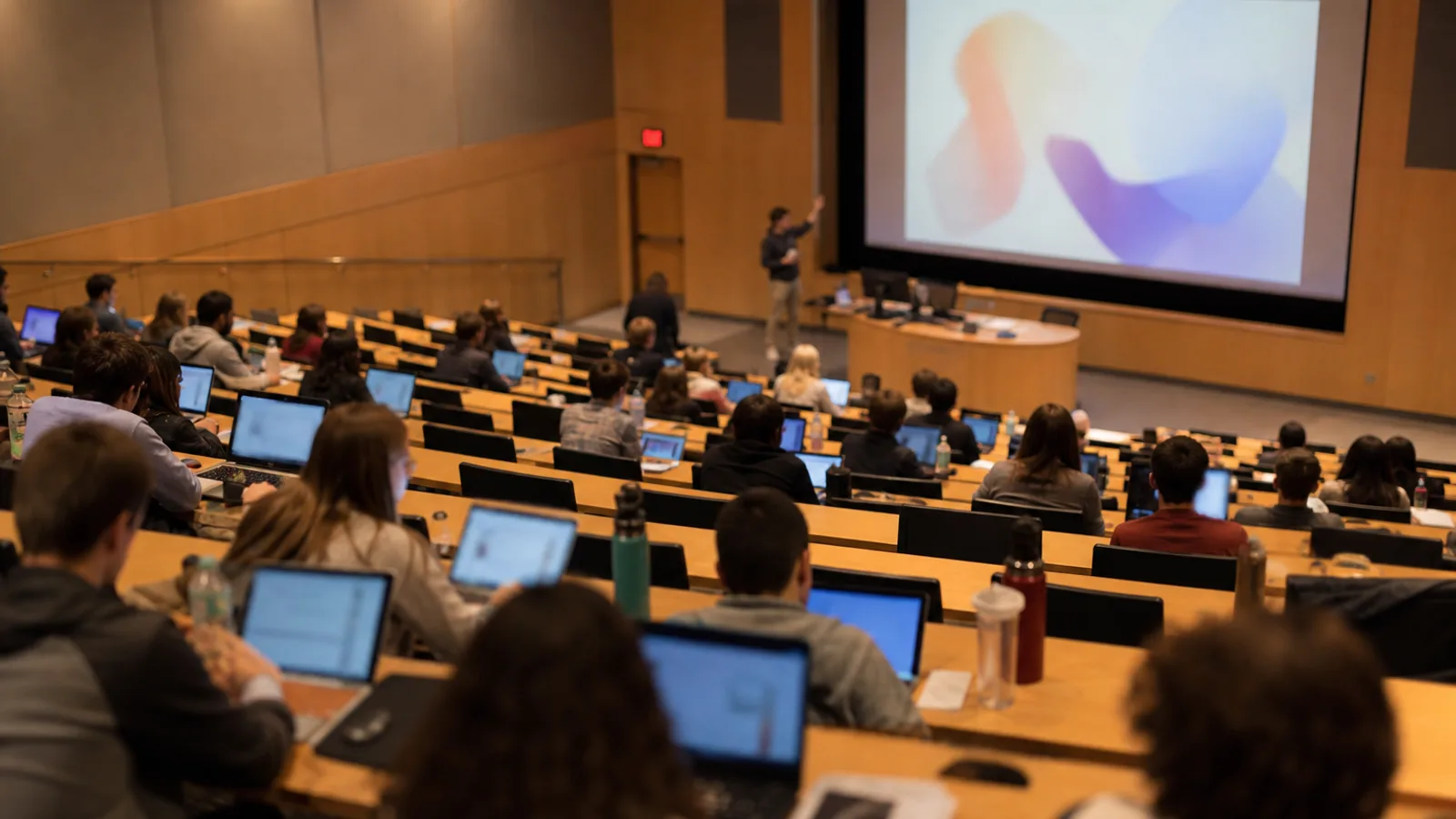
In the spring semester of 2023, a new question appeared in translation classrooms worldwide: should students be allowed to use ChatGPT for assignments? After initial debate, more and more programs shifted from "ban" to "guide" — bringing the use, and the critique, of AI tools into formal teaching.
Frontier teaching practices include: having students generate AI first drafts and then post-edit them, training quality judgment; comparing AI and human translations to analyze respective strengths; running "prompt engineering" workshops that teach students to specify translation needs precisely; and most importantly — training students to spot factual errors and hallucinations in AI output. This "critical reviewing" ability is precisely the core competency of translators in the AI era.
Educational goals are adjusting too: less weight on pure language-conversion drills, more on domain knowledge (legal, medical, technical), intercultural communication, tool command and project management. The future translator is not a "walking dictionary" but a "quality engineer of language services".
A consensus is forming in education: AI will not eliminate translation programs, but it will eliminate translation curricula stuck in the previous era. For working linguists, the reminder is the same — lifelong learning is no longer a slogan but a condition of professional survival.
Let's talk about your language needs
Tell us about your project — we'll reply with a quote and delivery plan within one business day.