Industry Insights · July 30, 2021
Translation Devices Mature — and Find Their Place
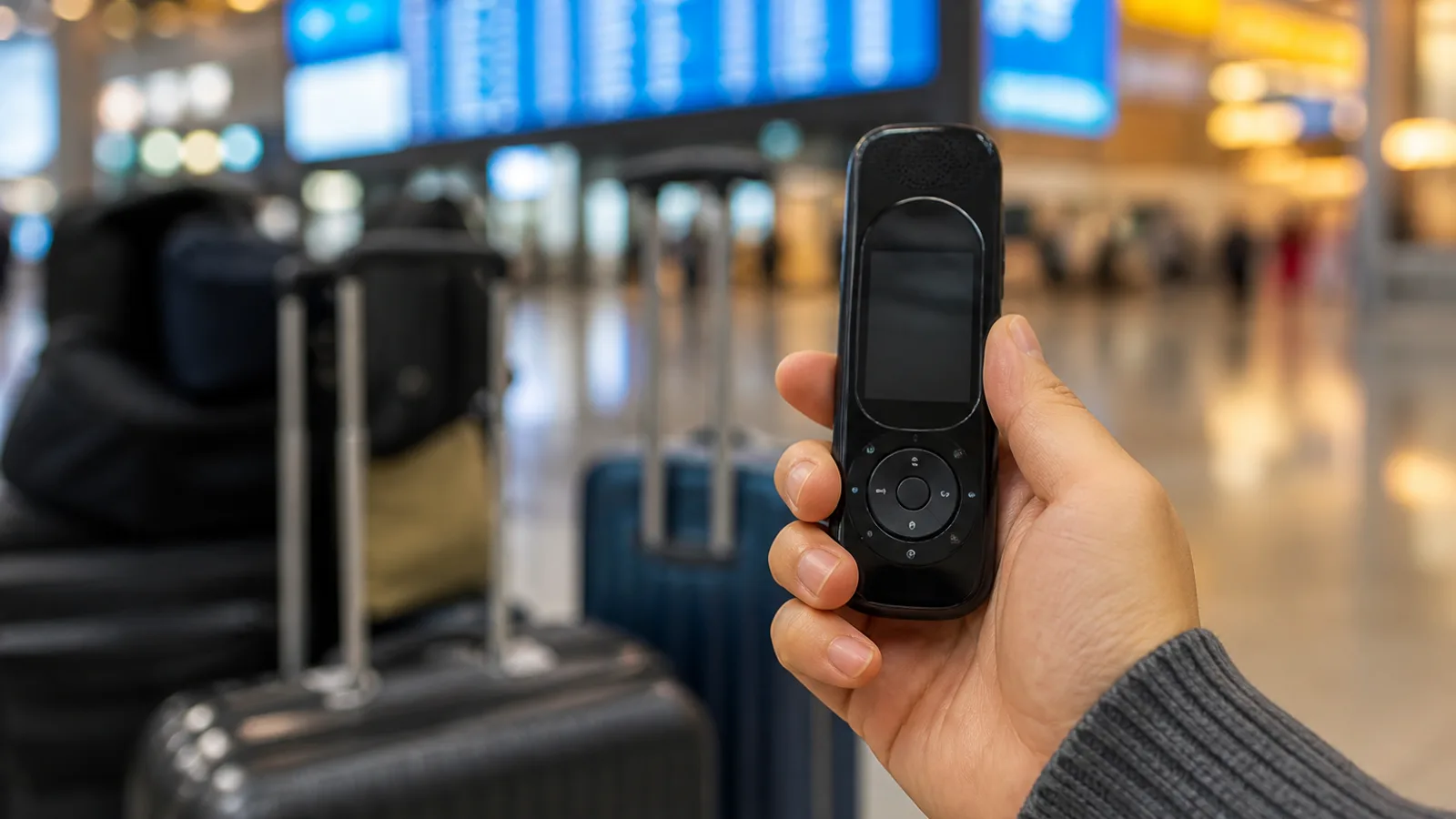
After years of iteration, handheld voice translation devices reached considerable maturity in 2021: offline language packs, accent recognition, photo translation and two-way conversation modes are standard on mainstream products. Although the pandemic suppressed their biggest use case — outbound tourism — device makers found new footholds in business travel, cross-border e-commerce support, and foreign-facing hotels and hospitals.
The technology stack behind voice translators — speech recognition, machine translation and speech synthesis in series — defines their limits: reliable in structured scenarios like greetings, directions, ordering food and simple business pleasantries; but the risk of miscommunication rises sharply in professional negotiation, medical consultation or legal communication.
The industry has thus reached a consensus: translation devices are not replacements for interpreters but the "capillaries" of the language service system — covering long-tail scenarios that never could or needed to hire professional linguists, and reserving professional interpreting for occasions where accuracy truly matters.
Rather than fearing replacement, practitioners should watch the new work these devices create: scenario-specific customization of device corpora and phrase libraries for enterprise deployments are service formats already emerging.
Let's talk about your language needs
Tell us about your project — we'll reply with a quote and delivery plan within one business day.