Industry Insights · November 20, 2020
Video Platforms Race to Add Interpretation Channels
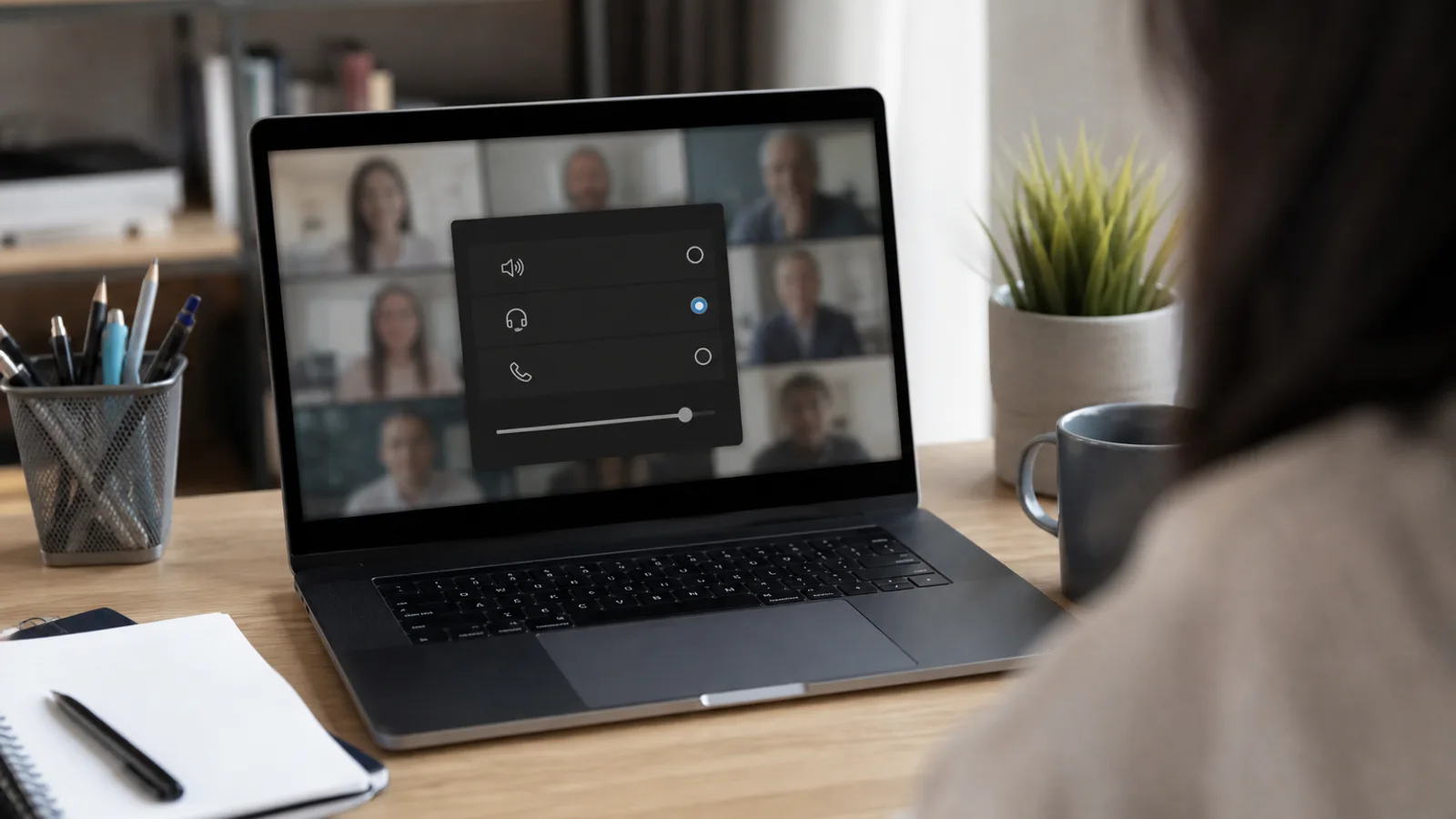
As online meetings became the default in 2020, major video-conferencing platforms made multilingual support a competitive focus. During the year, Zoom rolled out its Language Interpretation feature to paid accounts: hosts can designate interpreters for a meeting, and participants freely choose between the floor audio and an interpreted channel. Microsoft Teams, Webex and others announced similar capabilities or roadmaps.
This looks like a routine product update, but it reshapes the infrastructure of remote interpreting. Previously, remote SI required dedicated platforms such as Interprefy or Kudo. With interpretation channels built into general-purpose meeting tools, a vast number of small and mid-size cross-border meetings gained basic multilingual capability without procuring a specialist platform.
Built-in features and professional RSI platforms are not substitutes, of course: large, high-stakes conferences still need professional channel management, interpreter handover, audio-quality assurance and technical support teams. For language service providers, a new service opportunity emerges — helping clients choose between general and specialist platforms, and supplying interpreters and workflows adapted to each.
It is foreseeable that "knowing how to work interpretation-enabled meeting platforms" will soon join "knowing CAT tools" on the conference interpreter's list of baseline skills.
Let's talk about your language needs
Tell us about your project — we'll reply with a quote and delivery plan within one business day.