Industry Insights · February 28, 2022
Translation Power in the Ukraine Crisis: When Language Services Become Humanitarian Aid
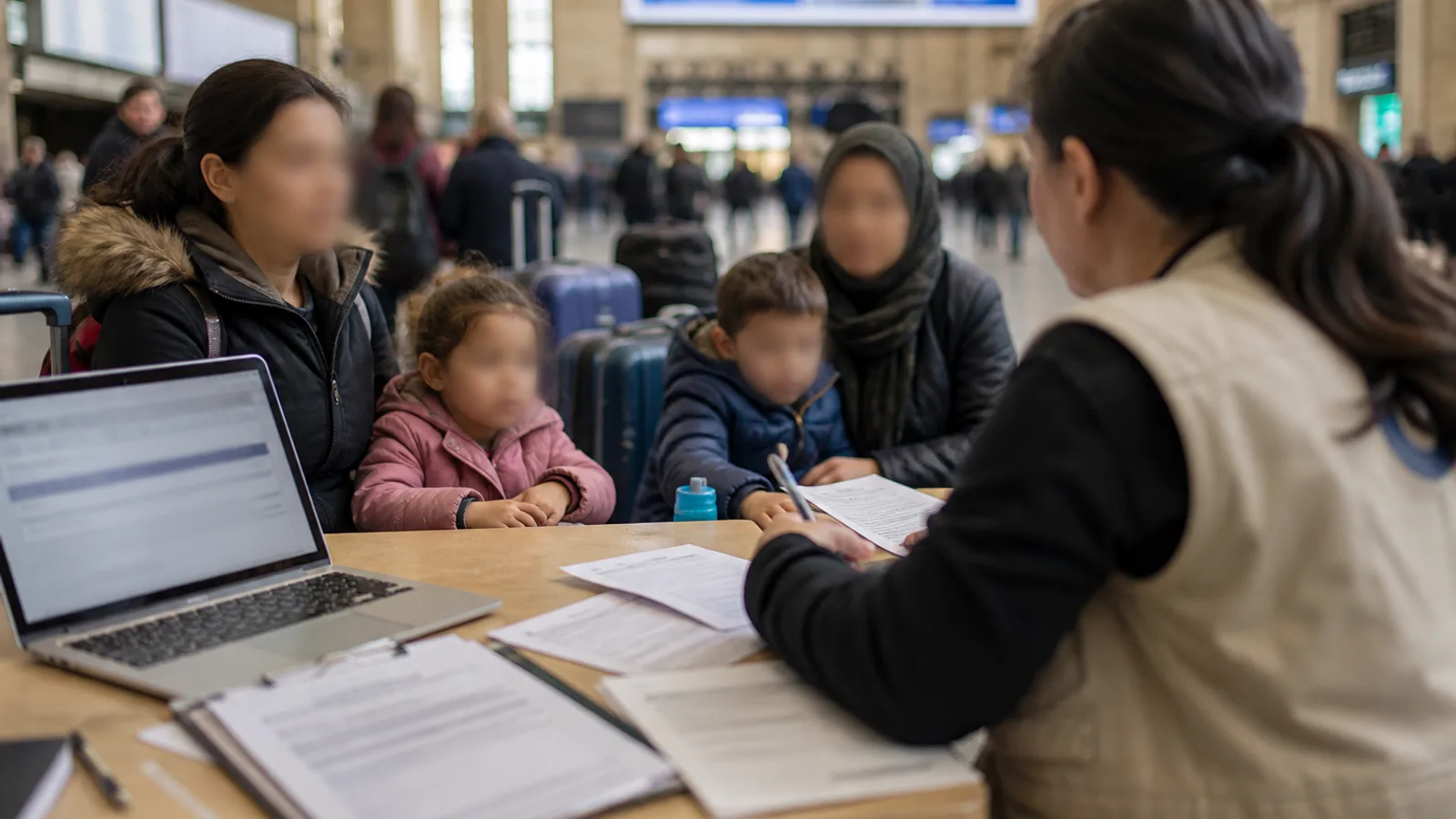
On February 24, 2022, the Russia-Ukraine conflict erupted, forcing millions of Ukrainians across borders as refugees. Within the vast humanitarian relief system, one often-overlooked yet vital link quickly stood out: language communication. Refugees needed to communicate with host-country institutions at border crossings, registration centers, hospitals and school enrollments — and Ukrainian-speaking interpreters are in limited supply in most Western European countries.
The global translation community mobilized rapidly: professional associations organized volunteer registries, language service providers opened translation resources for free, and volunteer linguist networks provided remote interpreting and translation for relief agencies, hospitals and refugee families. Several MT vendors also prioritized improving their Ukrainian models, and downloads of translation apps for Ukrainian surged.
This is not the first time the translation industry has stepped up in a crisis. From earthquake relief to refugee resettlement, "crisis translation" is an established professional field — it requires linguists to maintain professional output amid chaotic information, emotional pressure and rudimentary conditions, a difficulty rivaling any high-end conference.
The Ukraine crisis reminds the world once again: language services are not just commerce — in times of crisis, they are public infrastructure. Salute to every colleague in volunteer translation.
Let's talk about your language needs
Tell us about your project — we'll reply with a quote and delivery plan within one business day.