Industry Insights · July 23, 2021
An Olympics Without Spectators Still Needs Interpreters: Lessons from Tokyo
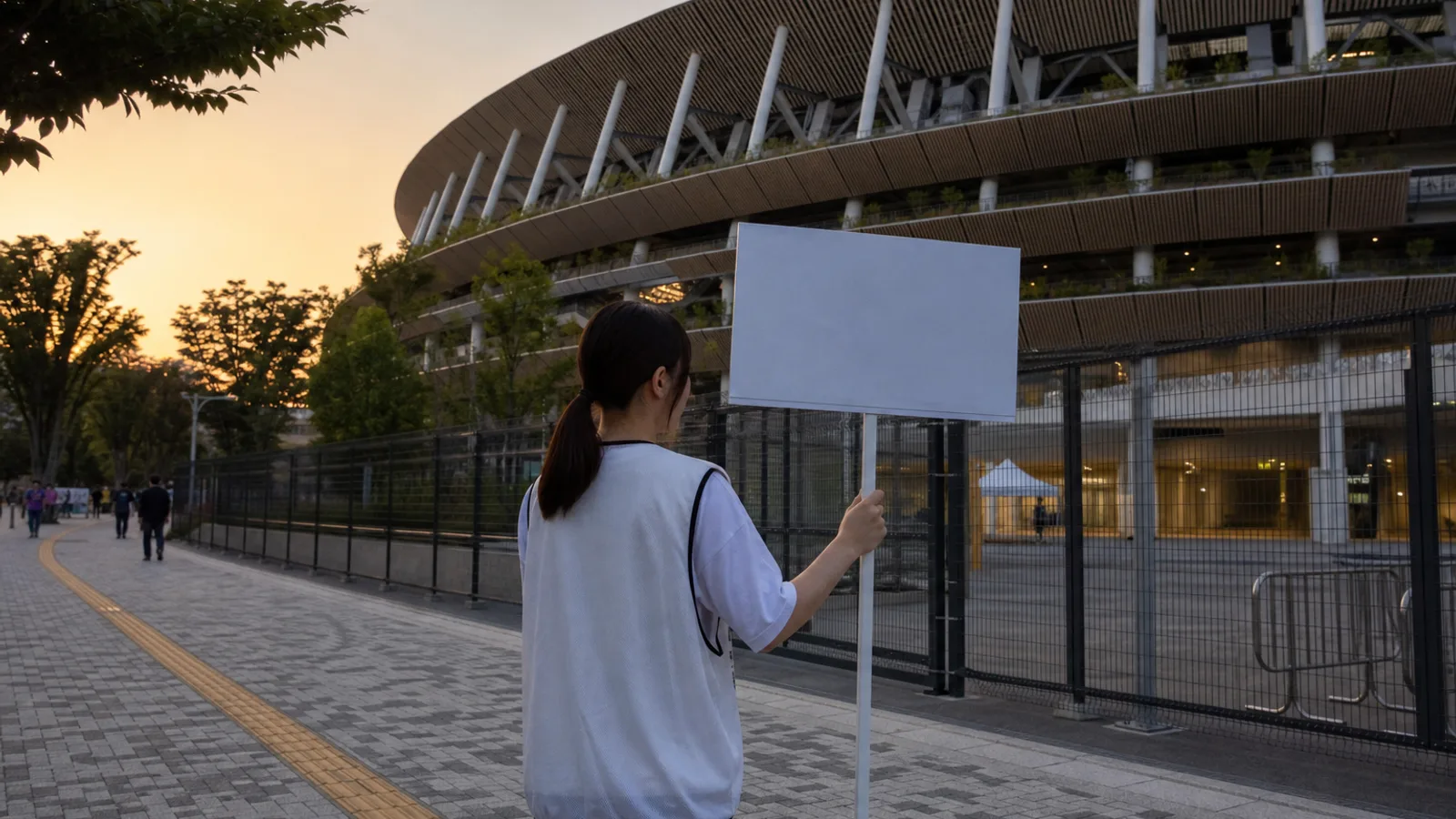
The postponed Tokyo Olympics opened on July 23, 2021. With most venues closed to spectators and overseas fans unable to attend, one might expect language service needs to shrink — they did not. Athletes, officials and media from over two hundred delegations still needed to communicate across languages: press conferences, mixed-zone interviews, operations meetings, and medical and epidemic-prevention communication all depended on interpreting and translation.
Language services at these Games bore a distinct pandemic signature: many press conferences took hybrid form, bringing remote interpreting into Olympic scenarios at scale for the first time; multilingual translation of prevention handbooks, health declarations and quarantine guidance became new demand; and machine translation devices supplemented volunteer and visitor communication in basic scenarios.
Language services for mega-events have always been a showcase of industry capability. Tokyo's experience shows that even under extreme conditions, professional human interpreters remain irreplaceable at critical links — while technology plays a supplementary role in long-tail, high-frequency, low-risk communication.
In six months, the Beijing Winter Olympics take the baton — multilingual services inside a closed-loop system will once again test the limits of mega-event language support.
Let's talk about your language needs
Tell us about your project — we'll reply with a quote and delivery plan within one business day.