Industry Insights · October 25, 2022
The Industrialization of Technical Documentation: Structured Authoring and Simultaneous Multilingual Release
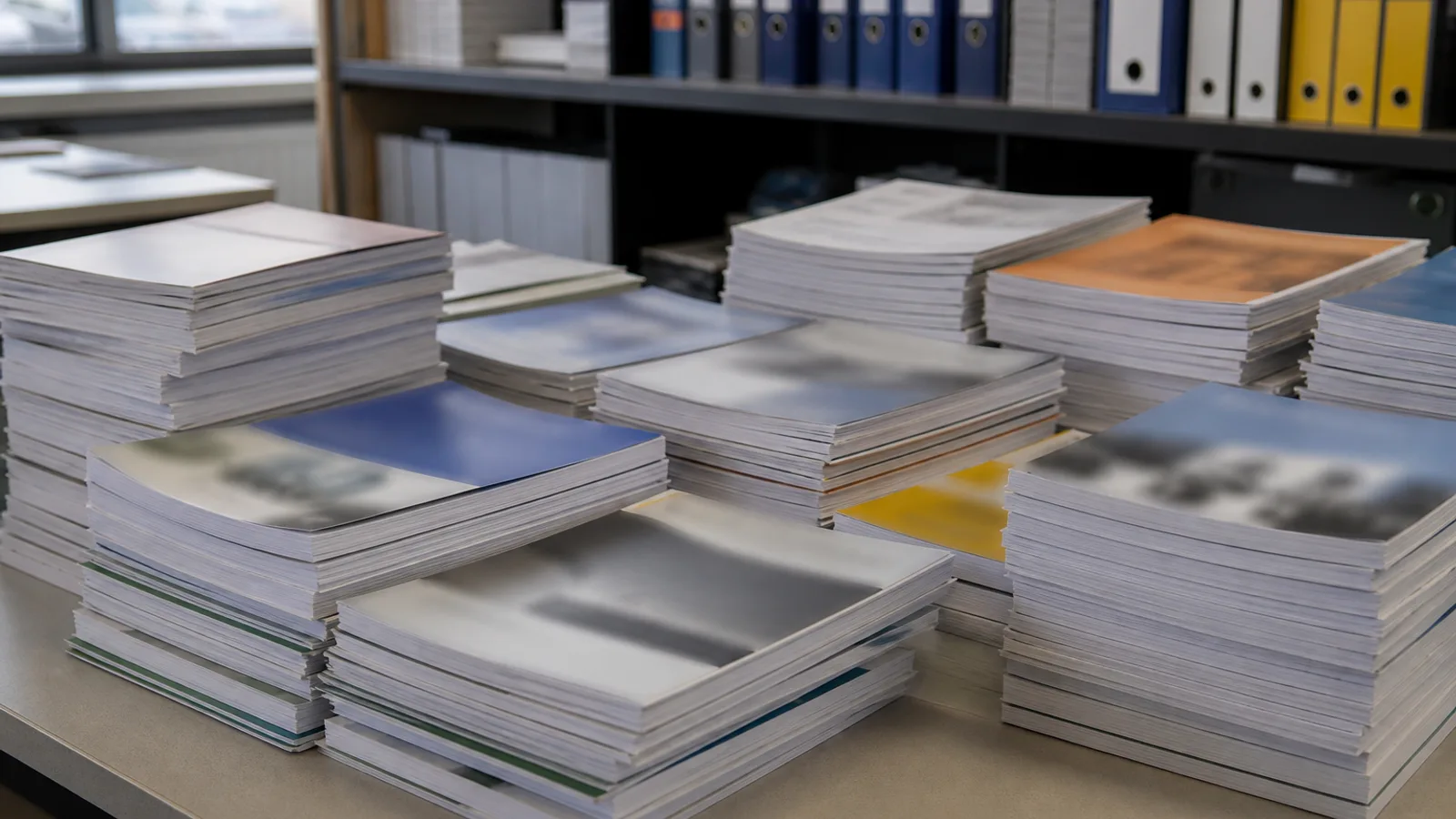
A manufacturer's product manual is revised with each year's new models and must ship simultaneously in a dozen-plus languages; each version runs tens of thousands of words, often overlapping the previous version by more than seventy percent. Such scenarios long ago outgrew the traditional "find a translator and translate it" model — the industrialization of technical documentation translation is a required course for companies going global.
Step one of industrialization is structured authoring: source documents are organized to component standards (such as DITA), content is broken into reusable topic blocks, and only changed blocks enter the translation flow. Step two is deep translation-memory reuse: unchanged content automatically inherits existing translations, changed sentences are matched to similar translations for the linguist's reference, and only genuinely new content is billed at full rate — for a manual revision with seventy percent repetition, actual translation cost is about thirty percent of the whole. Step three is automated publishing: translated components flow back into the CMS, and all language versions generate and ship simultaneously with the source.
The gains compound: lower cost, shorter cycles, better terminology consistency — and the elimination of brand risks like "the Chinese version is updated, the English one still last year's".
For translation companies, the core competency in technical documentation has shifted from "number of translators" to "maturity of process and toolchain".
Let's talk about your language needs
Tell us about your project — we'll reply with a quote and delivery plan within one business day.