Industry Insights · July 29, 2020
Regional Variation in Spanish Translation: One Word, Twenty Ways to Say It
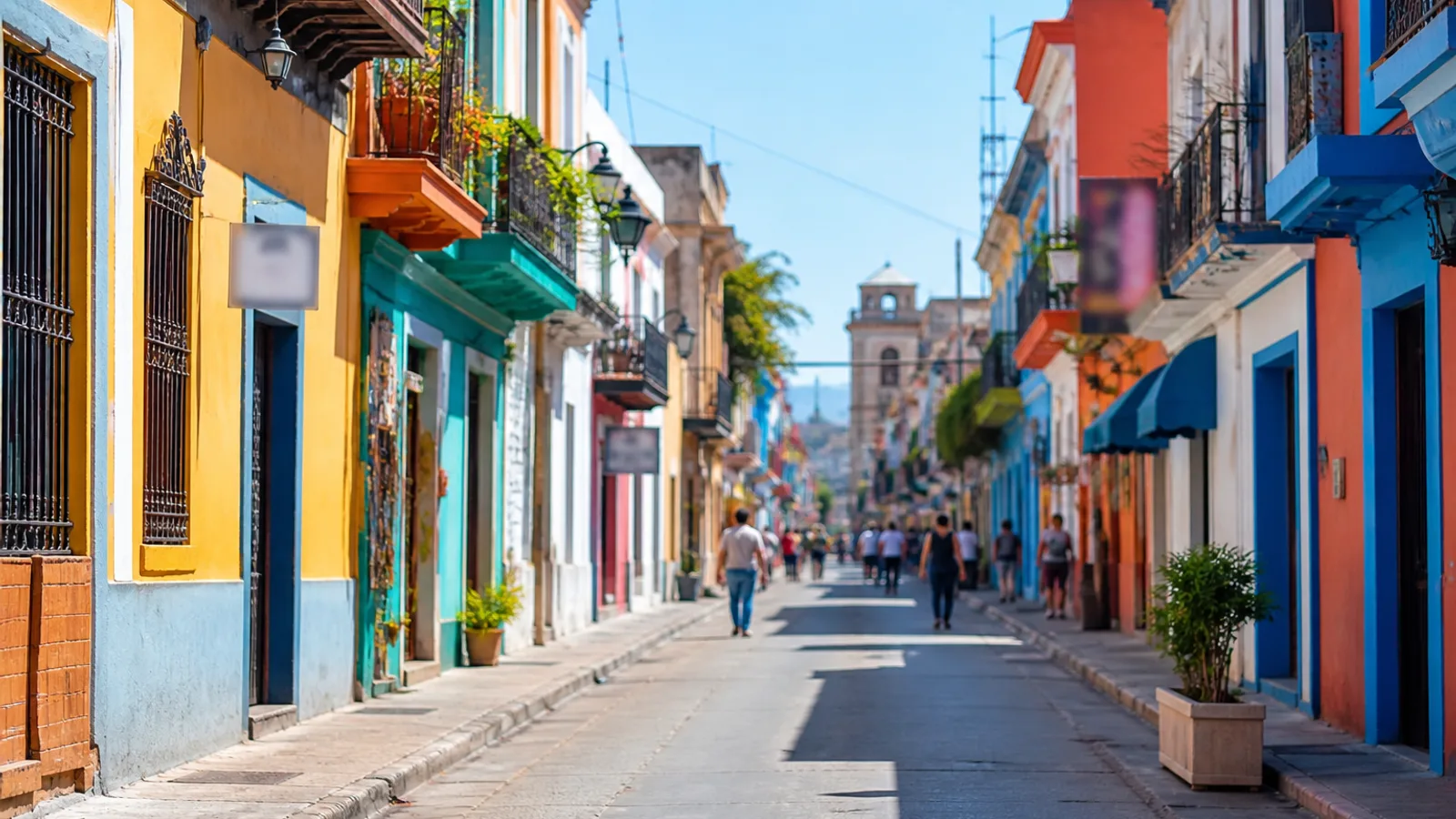
Spanish is the world's third most-spoken language, distributed across a vast area concentrated in Latin America. Spanish translation must therefore account for local usage — the same vegetable or fruit may have completely different names in different Latin American countries. Translate a recipe without knowing the target region's usage, and readers will be lost.
A few examples: black beans for stew are "caraotas" in Venezuela, "frijoles negros" in Cuba and "habichuelas negras" in Puerto Rico. Sweet potato is "camote" in Bolivia, "batata" in Colombia and "boniato" in Uruguay. A Puerto Rican reading a Mexican recipe who sees "elote" instead of "maíz" may have no idea what ingredient is meant — both words mean "corn".
Fruits and desserts are no different: the Salvadoran delight "maracuyá" (passion fruit) is sold as "parcha" in Puerto Rican markets and "chinola" in the Dominican Republic; Guatemalan "melocotón" (nectarine) is sold as "nectarina" in Ecuador and "pelón" in Argentina.
Spanish translation is thus harder than many other languages — to become a professional Spanish translator, you need real familiarity with how usage differs from country to country.
Let's talk about your language needs
Tell us about your project — we'll reply with a quote and delivery plan within one business day.