Industry Insights · January 26, 2021
One Year of Remote Interpreting: What Best Practices Have Emerged?
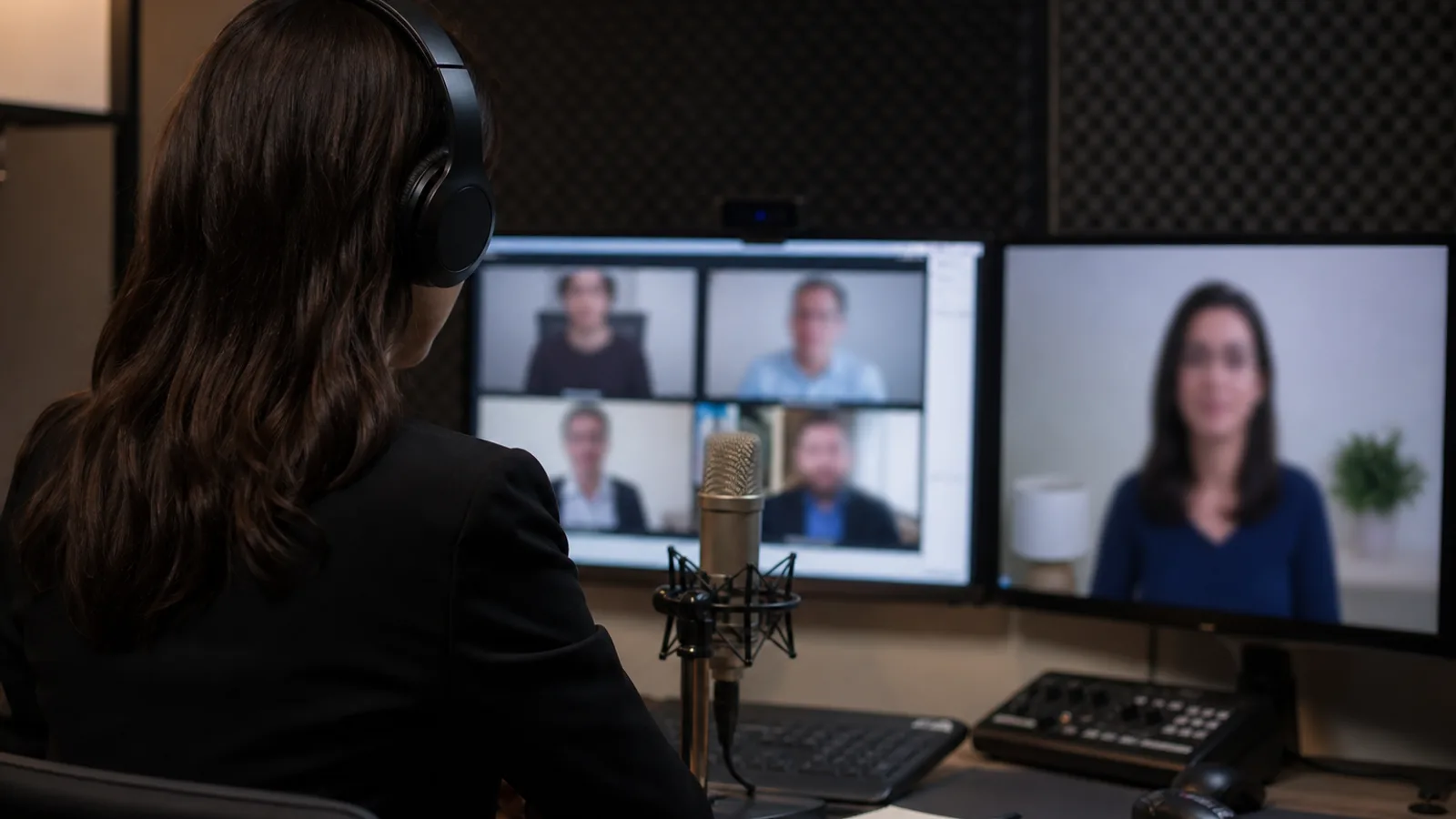
By early 2021, remote simultaneous interpreting (RSI) had been through nearly a year of large-scale, real-world use. Through trial and error, the industry has distilled a set of reusable best practices, and RSI service standards are taking shape.
Equipment and network: wired connections over Wi-Fi, with a 4G/5G hotspot as backup; professional headsets and dedicated microphones rather than built-in laptop hardware; and a separate interpreter-only communication channel alongside the SI platform for handovers and help.
Process and teamwork: at least one full rehearsal before the event, testing screen sharing, video feeds and channel switching; organizers should provide speeches and agendas in advance — interpreters' access to contextual information is inherently limited remotely, making preparation materials even more critical than on-site.
Rotation and duration: RSI consumes attention faster than booth work. The industry widely recommends shorter shifts and more frequent rotation, with two- or even three-interpreter teams for important meetings.
Contingency: reconnection procedures, a backup platform, and stenographic backup of key remarks should all be settled before going live.
The systematization of these lessons marks RSI's transition from "pandemic emergency measure" to "standardizable professional service".
Let's talk about your language needs
Tell us about your project — we'll reply with a quote and delivery plan within one business day.