Industry Insights · April 22, 2025
Life Sciences Translation 2025: Innovative Drugs Going Global and Multilingual Regulatory Submissions
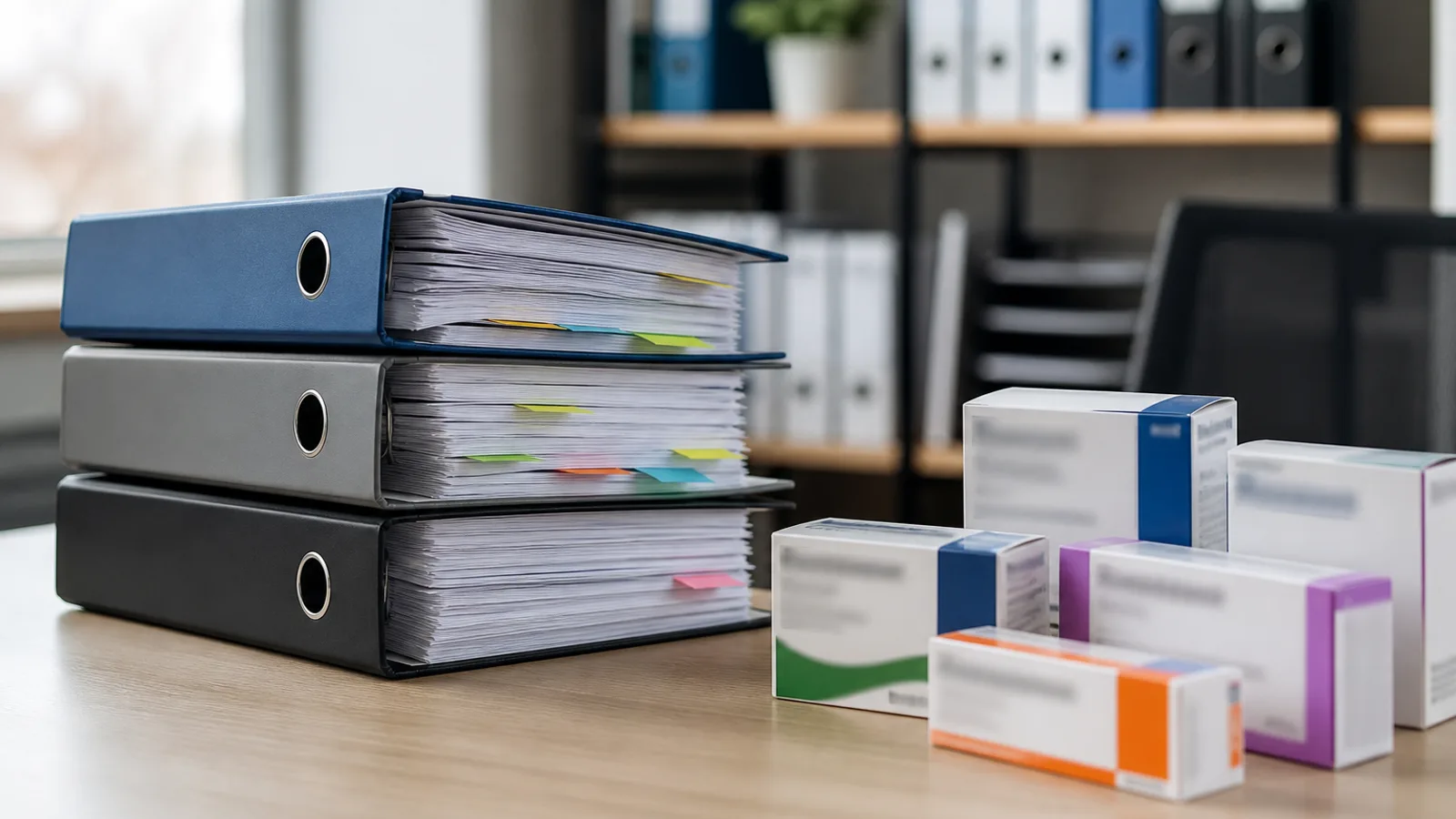
In 2025, Chinese innovative drugs' global push entered a harvest season: license-out deals kept setting records in number and value, and overseas clinical trials of domestically developed drugs continued to grow. This wave is changing the demand structure of pharmaceutical translation — from "bringing in" (translating imported drugs' registration dossiers into Chinese) to "going out" (multilingualizing domestic drugs' submission documents).
"Going out" translation has its particularities: submission documents must comply with the technical norms and terminology systems of target regulators like the FDA and EMA, and the readers of the translation are the target country's review experts — requiring linguists who not only master both languages but understand different regulatory systems' review logic. Clinical protocols, investigator's brochures, informed consent forms, CMC documentation and clinical study reports each follow internationally accepted authoring and translation conventions.
AI application in this field remains restrained and pragmatic: machine translation is used heavily in literature research and internal reference, while formal submissions still run on "professional human translation + dual review + term-base validation", with AI in auxiliary roles like consistency checking and format verification. The accountability nature of regulatory documents means the quality structure will not change.
Innovative drugs going global is a long-term trend, and pharmaceutical translation's professional moat makes it one of the most stable niches of the AI era — competition here is about talent reserves and quality systems, not price.
Let's talk about your language needs
Tell us about your project — we'll reply with a quote and delivery plan within one business day.