Industry Insights · December 27, 2022
2022 Language Industry in Review: A Year of Recovery, on the Eve of Disruption
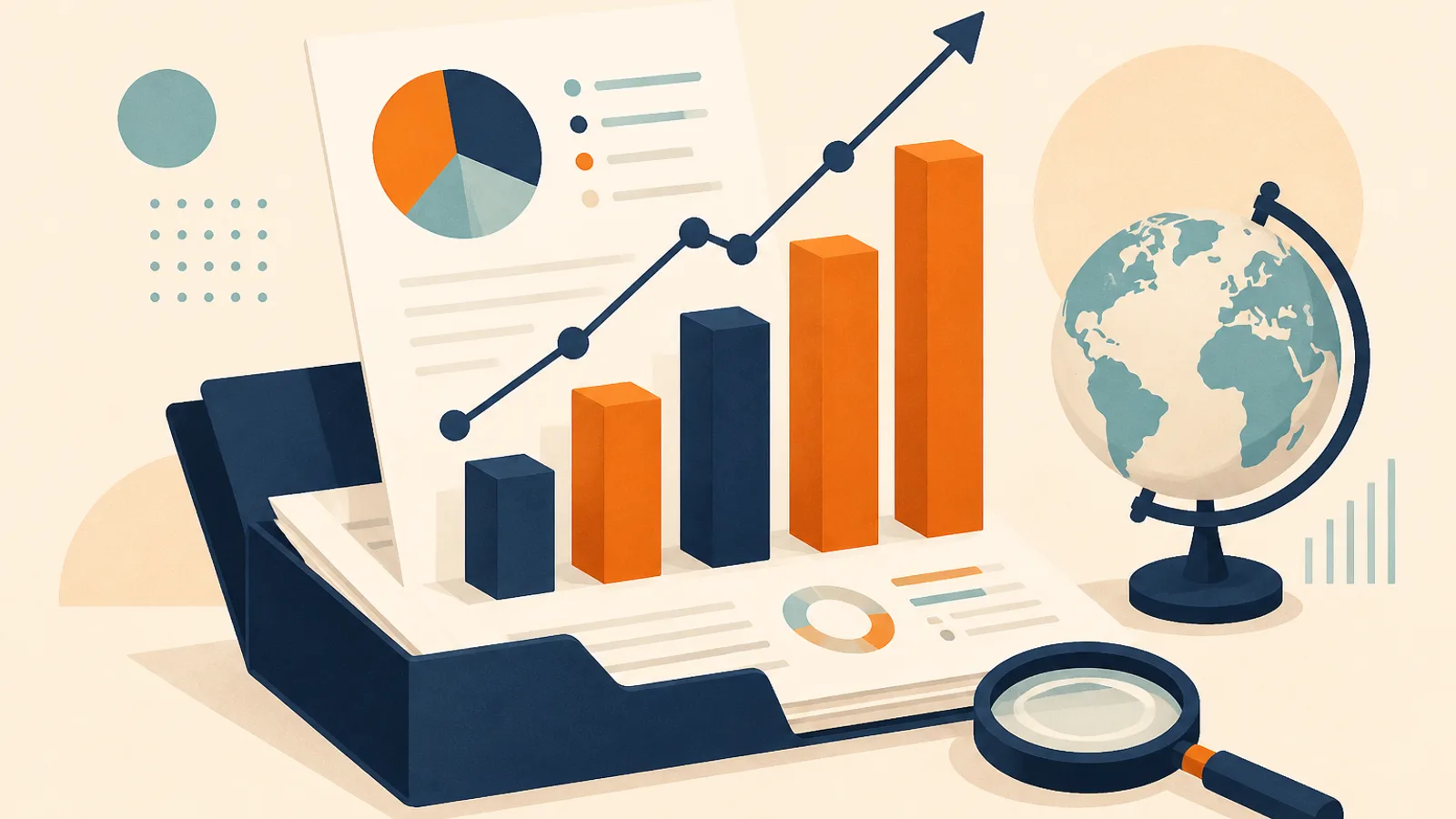
2022 is drawing to a close. This year, the language services industry completed its full recovery — and heard, in its final weeks, the thunder of coming change.
Recovery was the main thread: international exhibitions and business travel fully restarted, and the conference interpreting market genuinely thawed; globalizing companies' content localization demand kept growing; industry data showed the global language services market steadily expanding. From GALA to ATA, industry conferences returned fully in person, and corridor handshakes once again lubricated the industry's workings.
Structure upgraded: the "dual-track delivery" of on-site and remote became the standard form of conference interpreting; translation technology platforms completed a new round of consolidation, with cloud TMS entering a "camps in formation" phase; and industrialized practices — terminology management, translation memories, structured authoring — sank from large enterprises down to small and mid-size globalizing companies.
Disruption on the eve: ChatGPT's release on November 30 wrote the year's most suspenseful ending. The language capability demonstrated by large language models suddenly made the term "machine translation" feel dated — and everyone in the industry began rethinking their position.
In 2023, answers will gradually clarify. But one thing is already certain: demand for language services will not disappear — only ways of working that refuse to evolve will.
Let's talk about your language needs
Tell us about your project — we'll reply with a quote and delivery plan within one business day.