Industry Insights · August 15, 2026
IMF Seeks Chief Translator: What Kind of Language Talent Do International Organizations Need After AI Cuts?
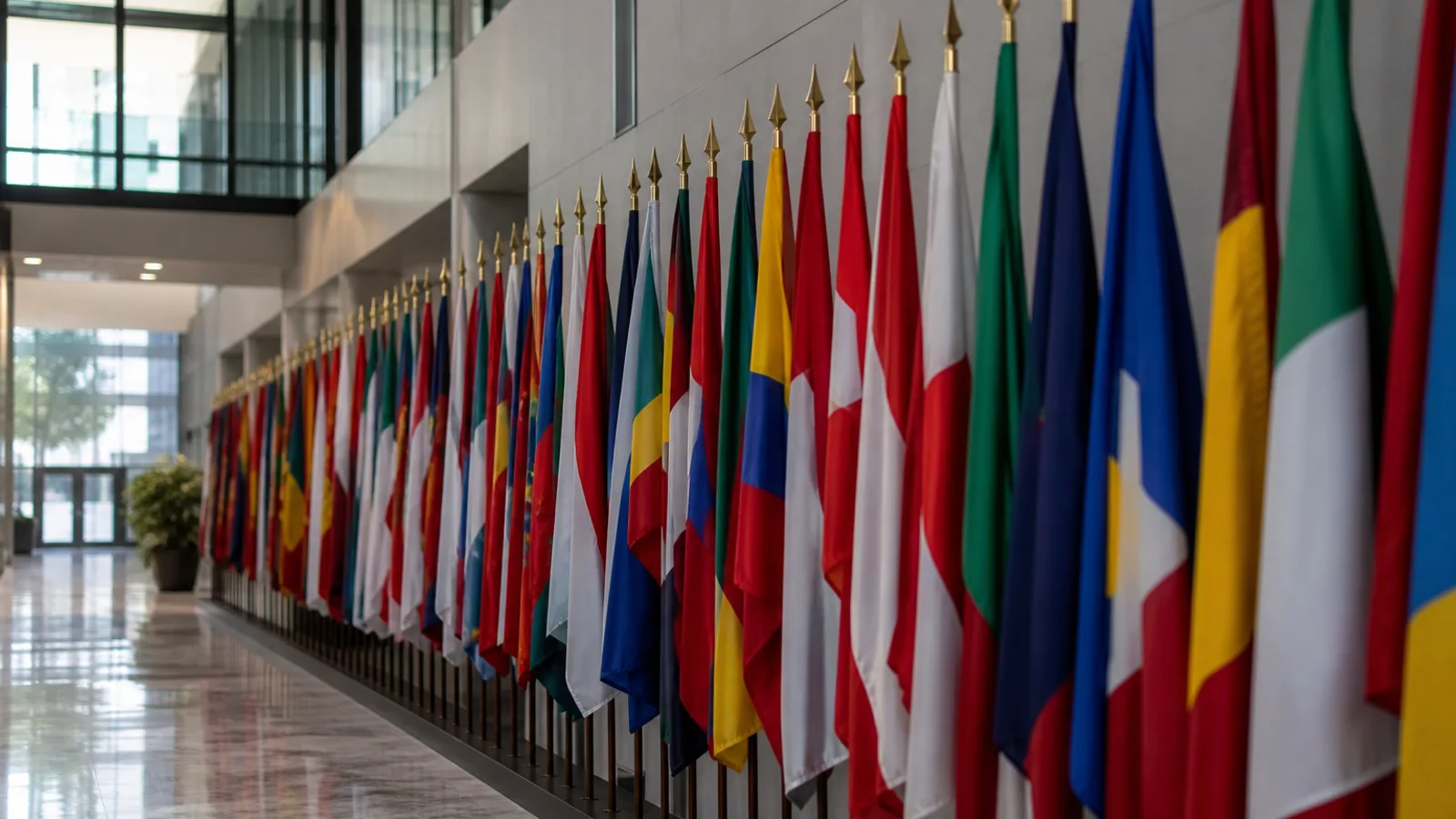
As reported by Slator on August 13, the International Monetary Fund (IMF) posted a job opening on August 10 for a Chief Translator within the Language Services Division of its Corporate Services and Facilities Department. Reporting to the Division Chief and serving as Deputy Division Chief, the appointee will help lead the adoption of new technologies and AI tools to drive the “modernization” of language services at the Fund. Applications close on August 25.
This is no ordinary translator role. The Chief Translator will oversee work across English and the IMF's seven core languages — Arabic, Chinese, French, Japanese, Portuguese, Russian, and Spanish — plus around 40 additional languages as needed. The listing calls for an advanced degree in translation, interpreting, law, economics, or a related field with at least 11 years of experience (or a bachelor's degree plus 17 years), substantial experience translating and revising high-profile documents, and a track record of managing high-volume, fast-turnaround teams. Notably, candidates must demonstrate strong knowledge of computer-assisted translation (CAT) tools and AI translation tools built on large language models.
The backdrop makes the hire even more telling: speaking at the World Economic Forum in Davos earlier this year, IMF Managing Director Kristalina Georgieva said AI adoption had already shrunk the Fund's interpreter and translator headcount from 200 to 50. Cutting and hiring at the same time is no contradiction — in April, the division recruited a Section Chief and a Platform Owner, both senior linguist roles. Automation absorbs repetitive capacity; expert judgment and technology leadership are being reinforced. Slator's reporting points the same way: language roles at NATO, the ICC, WIPO, Interpol, and FIFA now list AI skills, and OpenAI continues to hire localization specialists to oversee AI-assisted workflows.
For companies buying translation services, the IMF example offers a clear reference point: in the AI era, the quality question has shifted from “whether to use AI” to “who supervises it.” When evaluating vendors, look beyond speed and price to the seniority of their review teams, the rigor of their terminology and quality governance, and clear accountability across the human-machine workflow — a 50-person team can only do the work of 200 because experts remain firmly in the loop.
That is exactly the delivery model we have long practiced: AI for efficiency, senior linguists for judgment, with every critical step documented and auditable. Tools will keep changing; accountable professional judgment remains the final anchor of quality translation.
Source: Slator (August 13, 2026).
Let's talk about your language needs
Tell us about your project — we'll reply with a quote and delivery plan within one business day.