Industry Insights · April 24, 2026
Google's Gemma 4 and the Offline Raspberry Pi Translator: The Promise of On-Device Translation
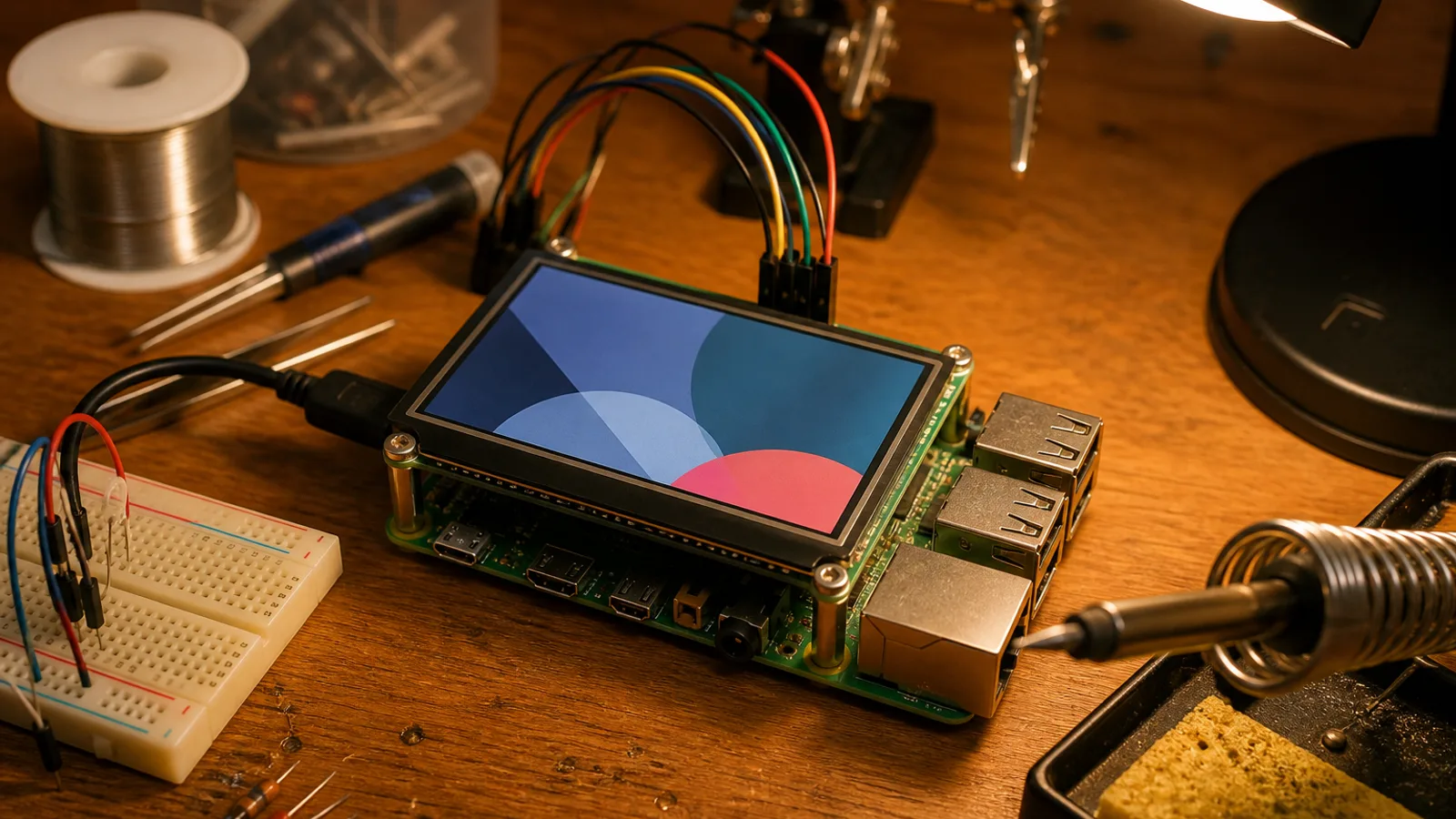
In April 2026, Google released the open-weight Gemma 4 model family in four sizes, with the smallest E2B edge variant designed for hardware as modest as a Raspberry Pi or Jetson Nano. The team then demonstrated an offline speech translator prototype built on Gemma 4 E2B: speech recognition and translation running entirely on a Raspberry Pi 5 with no cloud connection, on hardware costing under a hundred dollars, open-sourced on GitHub.
Google stressed this is a technology showcase, not a product launch, but the trend it points to is significant: as open small models grow denser in capability, fully offline real-time translation shifts from science fiction to an engineering problem solvable with hundred-dollar hardware. The value is substantial for specific scenarios—travel and fieldwork with poor connectivity, institutions with hard data-secrecy requirements, and emergency response without infrastructure.
For the language industry, on-device translation also carries a compliance dimension: as cross-border data flow regulation tightens, locally self-contained translation models offer a "data never leaves the premises" option for sensitive settings like healthcare, legal, and government. Deployment mode—cloud API, private cloud, on-device—is becoming a third decision variable in translation procurement, alongside quality and price.
When serving clients in sensitive industries, we now include deployment mode in solution design: for data-sensitive scenarios we offer on-premises and private-cloud options, backed by NDAs and audit mechanisms. The diversification of technical routes ultimately benefits clients who demand both quality and compliance.
Let's talk about your language needs
Tell us about your project — we'll reply with a quote and delivery plan within one business day.