Industry Insights · May 18, 2021
As the Games Industry Expands, Game Localization Enters Deep Water
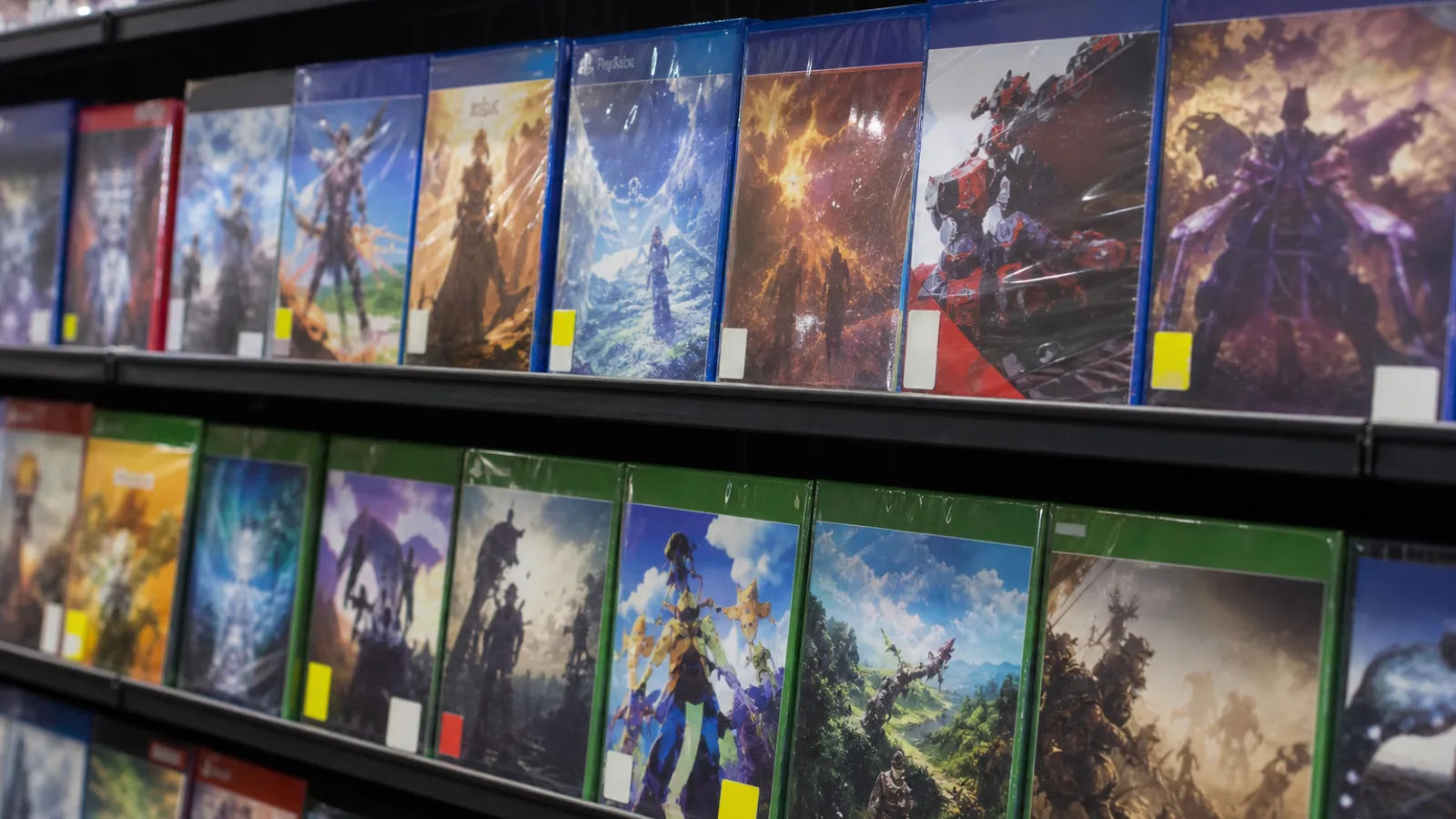
In 2021, the global games industry extended its pandemic dividend, with the market approaching USD 200 billion; overseas revenue from Chinese self-developed games also kept hitting new highs. The going-global wave has pushed game localization from a peripheral trade to a critical link in the industry chain.
Game localization is widely regarded as one of the most technically demanding branches of translation. Practitioners must handle four layers at once: the text layer — story, dialogue and item descriptions; the functional layer — UI string length constraints, variable placeholders, font rendering; the cultural layer — adapting memes, puns, taboos and historical allusions; and the compliance layer — rating systems and content rules in target markets.
Successful game localization is usually a triumph of "re-creation": good adaptation lets overseas players forget they're playing an imported game. Failures are equally memorable — stiff machine-translated dialogue destroys immersion and can live on as a negative meme in player communities.
As Chinese game publishers' global market share keeps growing, demand for game localization in pairs like Chinese-English, Chinese-Japanese, Chinese-Korean and Chinese-German is growing steadily. Translators who combine genuine gaming passion with language skill remain in chronic short supply in this track.
Let's talk about your language needs
Tell us about your project — we'll reply with a quote and delivery plan within one business day.