Industry Insights · April 27, 2021
Cross-Border E-Commerce Stays Hot — Product-Content Localization Becomes Standard
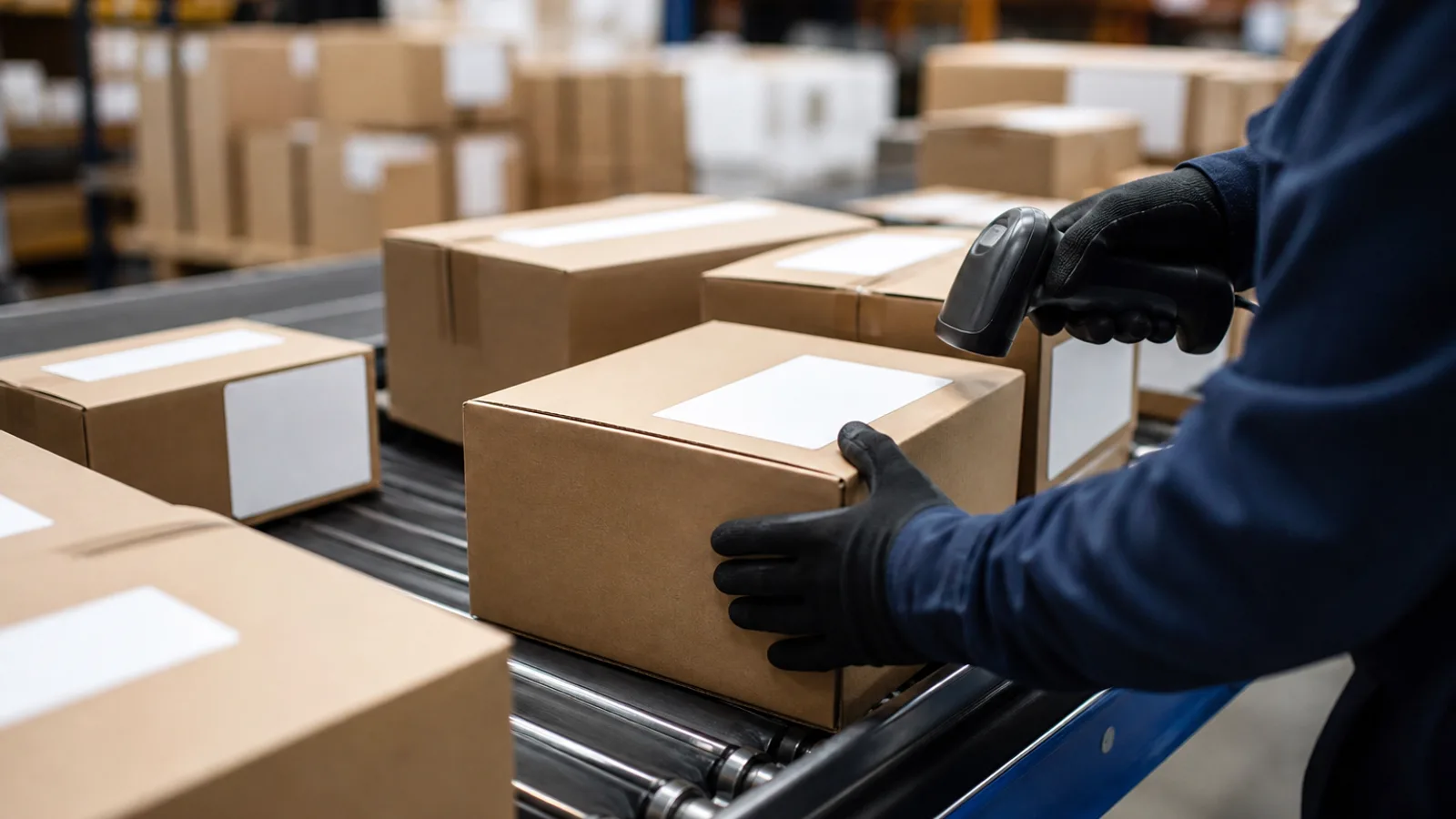
The pandemic has reshaped global retail: with offline consumption constrained, online penetration jumped in every major market. In 2021, China's cross-border e-commerce exports continued their rapid growth, and more manufacturers shifted from "OEM going global" to "brand going global". In this migration, the localization quality of product content is becoming a direct variable in conversion rates.
Product-content localization goes far beyond "translating the title": keywords must be rewritten for the target market's search habits rather than translated literally; the ordering of selling points on detail pages should match local consumers' decision logic; sizes, voltages and plug specifications need localized conversion and explanation; and customer-service scripts and after-sales policies involve differences in cultural norms and consumer-protection law.
Marketplace algorithms on Amazon, AliExpress and others also "reward" high-quality localization: idiomatic, well-structured listings show measurable advantages in search ranking and conversion, while stiff machine-translated pages hurt both conversion and store weighting.
For the translation industry, e-commerce localization is a classic "high-frequency, small-batch, time-critical" business — deeply bound to platform rules, it demands providers that combine language capability, e-commerce operations understanding, and fast-turnaround process design.
Let's talk about your language needs
Tell us about your project — we'll reply with a quote and delivery plan within one business day.