Industry Insights · March 22, 2022
From Emergency to Discipline: 'Crisis Translation' Is Becoming a Field of Its Own
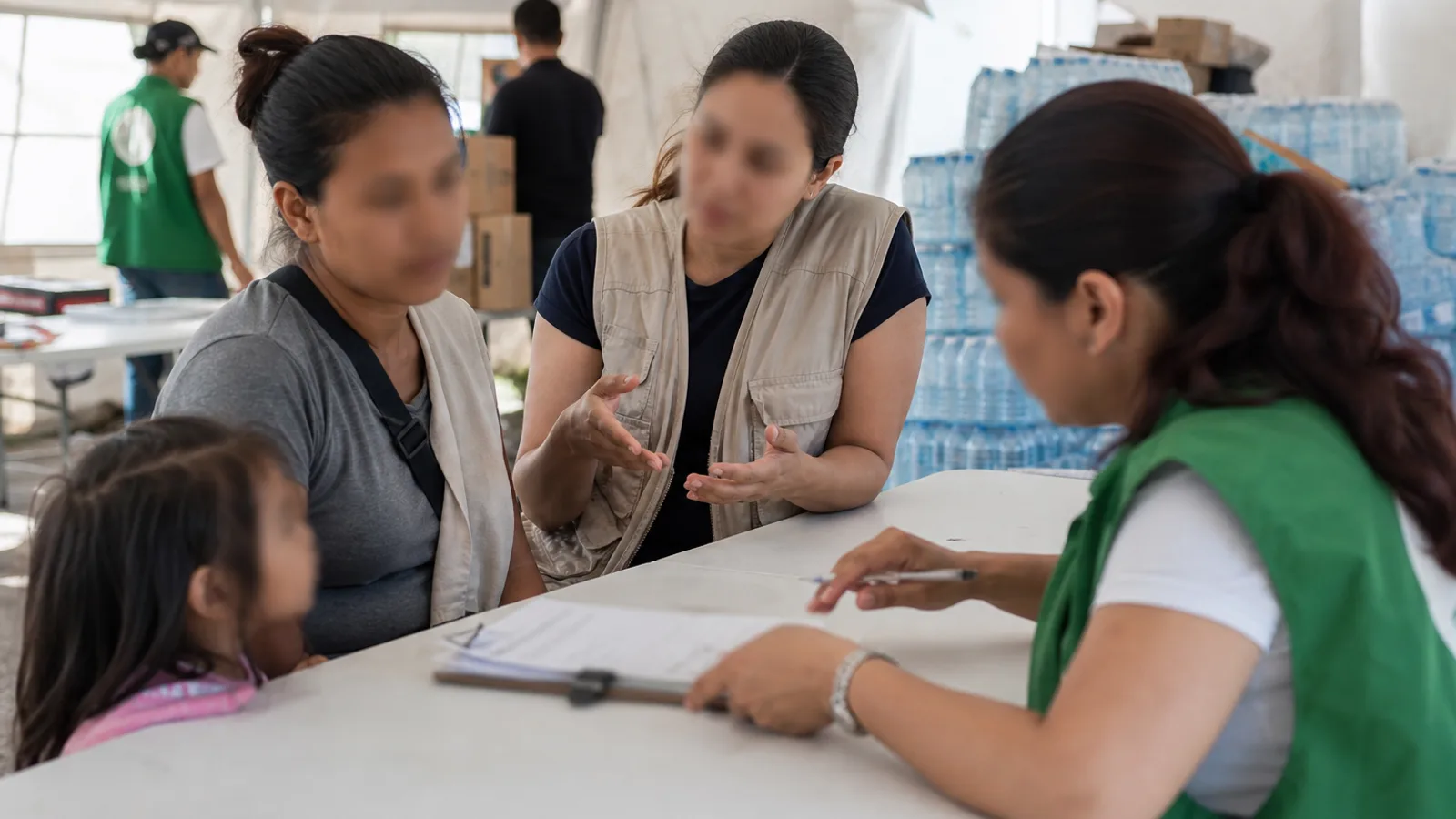
The spontaneous mobilization of linguists during the Ukraine crisis brought "crisis translation" into public view. In fact, this is no improvised act of goodwill but a professional field with considerable accumulation behind it.
Internationally, the nonprofit Translators without Borders has operated for over a decade, providing language support in humanitarian crises worldwide; academia has developed a "crisis translation studies" branch examining translation organization, technology use and ethics in disaster settings. From the Haiti earthquake to the Syrian refugee crisis, from COVID-19 to Ukraine, every major humanitarian event has seen systematic participation by translation professionals.
Crisis translation has distinctive professional requirements: response times measured in hours, often rudimentary working conditions, content involving traumatic information — making linguist psychological support and rotation mechanisms indispensable. Terminology management matters just as much: medical, legal and relief-supply terms must be unified quickly across a volunteer network.
For translation companies, participating in crisis translation is both social responsibility and an organizational trial: whether you can field a qualified emergency language team within 48 hours tests the talent reserves and process discipline built in peacetime.
Let's talk about your language needs
Tell us about your project — we'll reply with a quote and delivery plan within one business day.