Industry Insights · November 14, 2025
COP30 Belém: Behind the Scenes of Multilingual Climate Diplomacy
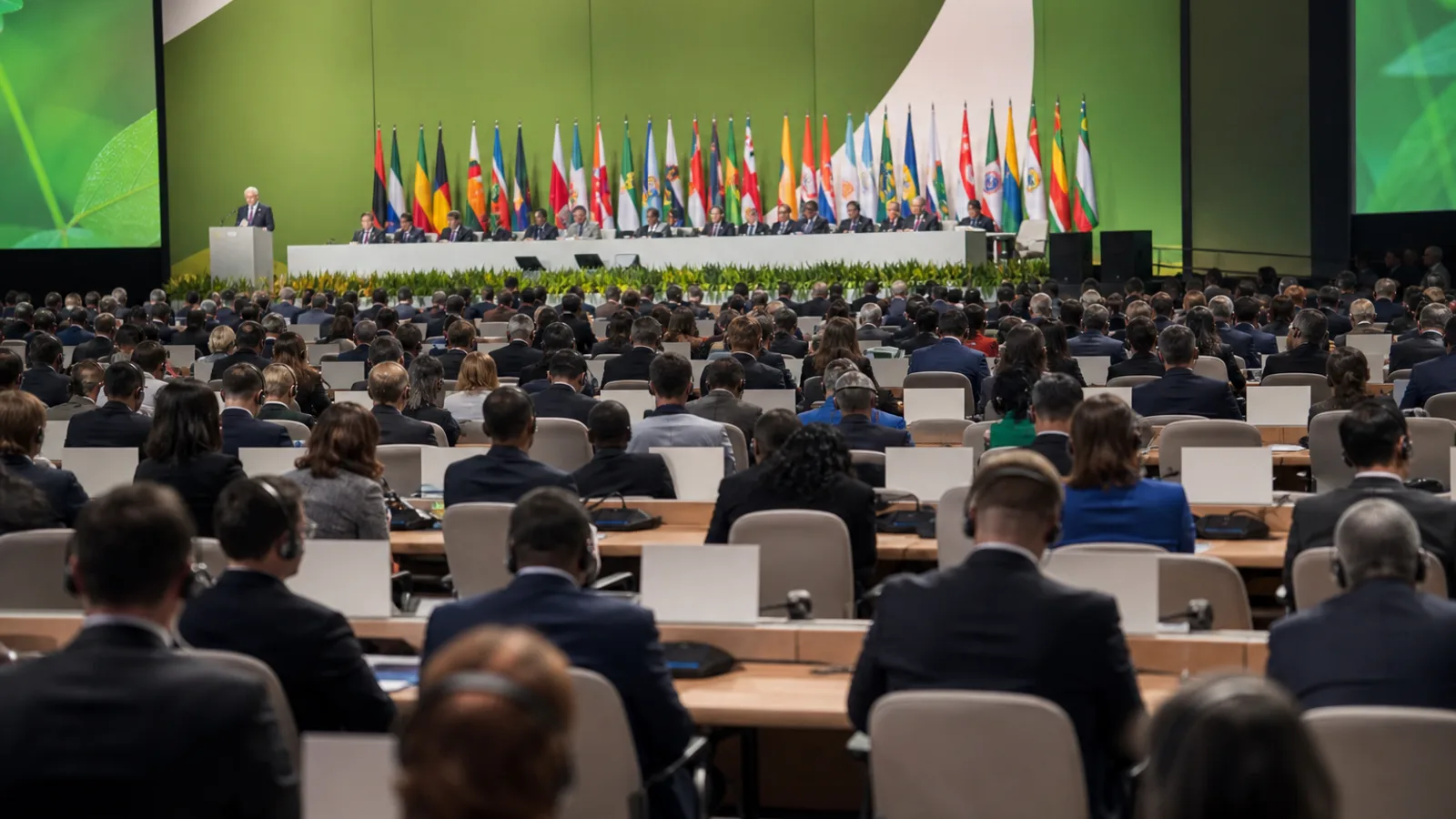
In November 2025, the 30th Conference of the Parties to the UN Framework Convention on Climate Change (COP30) convened in Belém, Brazil, the gateway to the Amazon. As a pivotal meeting marking the tenth anniversary of the Paris Agreement, it drew tens of thousands of government delegates, observers, and media, with simultaneous interpreting in the UN's six official languages (Chinese, English, French, Russian, Spanish, Arabic) covering all formal sessions.
Language services at climate summits have their particularities: negotiating texts are highly technical (carbon market mechanisms, nationally determined contributions, loss and damage funds), with terminology spanning climate science, finance, and international law; the sheer number of side events demands elastic capacity in remote interpreting and rapid translation. This edition also significantly expanded access in indigenous languages, echoing the symbolism of the Amazon venue.
From an industry perspective, large international conferences are converging on a three-layer language architecture: human simultaneous interpreting for formal negotiations, AI live captions for side events and exhibition areas, and machine translation with human review for conference documents. This tiered architecture reconciles breadth of multilingual coverage with cost control.
We have long served intergovernmental conferences, industry summits, and corporate international events, and we know that conference interpreting is not about "translating"—it is about ensuring communication loses nothing. Whether plenary interpreting or small closed-door negotiation, the linguists' professional preparation—background reading, shared glossaries, pre-event briefings—remains the first line of quality defense.
Let's talk about your language needs
Tell us about your project — we'll reply with a quote and delivery plan within one business day.