Industry Insights · November 5, 2021
COP26 in Glasgow: Interpreting Power on the Multilateral Diplomacy Stage
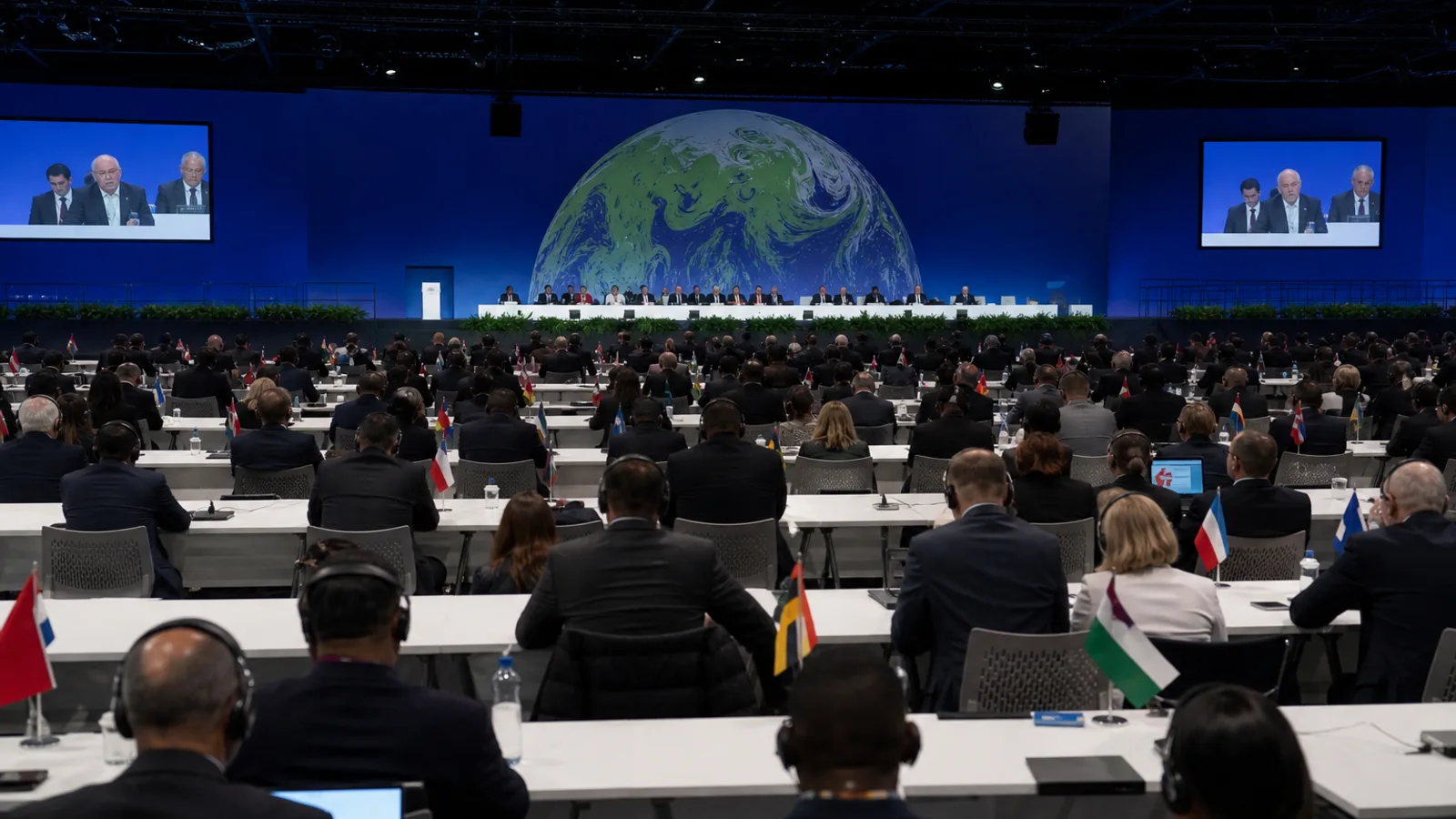
The 26th UN Climate Change Conference (COP26) took place in Glasgow, UK, from October 31 to November 12, 2021. Delegates from nearly two hundred parties, plus thousands of observers and media, gathered to negotiate emission targets, climate finance and the implementation rules of the Paris Agreement.
Multilateral climate negotiation is among the most demanding interpreting scenarios: every word of negotiating text carries weight — the strength of a single modal verb ("shall" versus "should") can become the focus of tugs-of-war between parties; plenaries, working groups and informal consultations run in parallel on dense schedules, requiring interpreters to sustain output under extreme pressure. The simultaneous interpreting teams for the UN's six official languages (Chinese, English, French, Russian, Spanish, Arabic) are infrastructure on which the conference runs.
This COP also showed post-pandemic hybrid characteristics: some side events and press conferences opened to online access, with remote interpreting working in coordination with on-site SI — the language service model for large multilateral conferences is quietly completing an upgrade.
Climate negotiations will continue for decades, and language services will always be in the room. For interpreters aspiring to international conference work, the terminology and negotiating discourse of climate change is a specialization worth long-term accumulation.
Let's talk about your language needs
Tell us about your project — we'll reply with a quote and delivery plan within one business day.