Industry Insights · July 12, 2022
Chinese Games Enter a Harvest Season Abroad — Localization Becomes a Core Competency
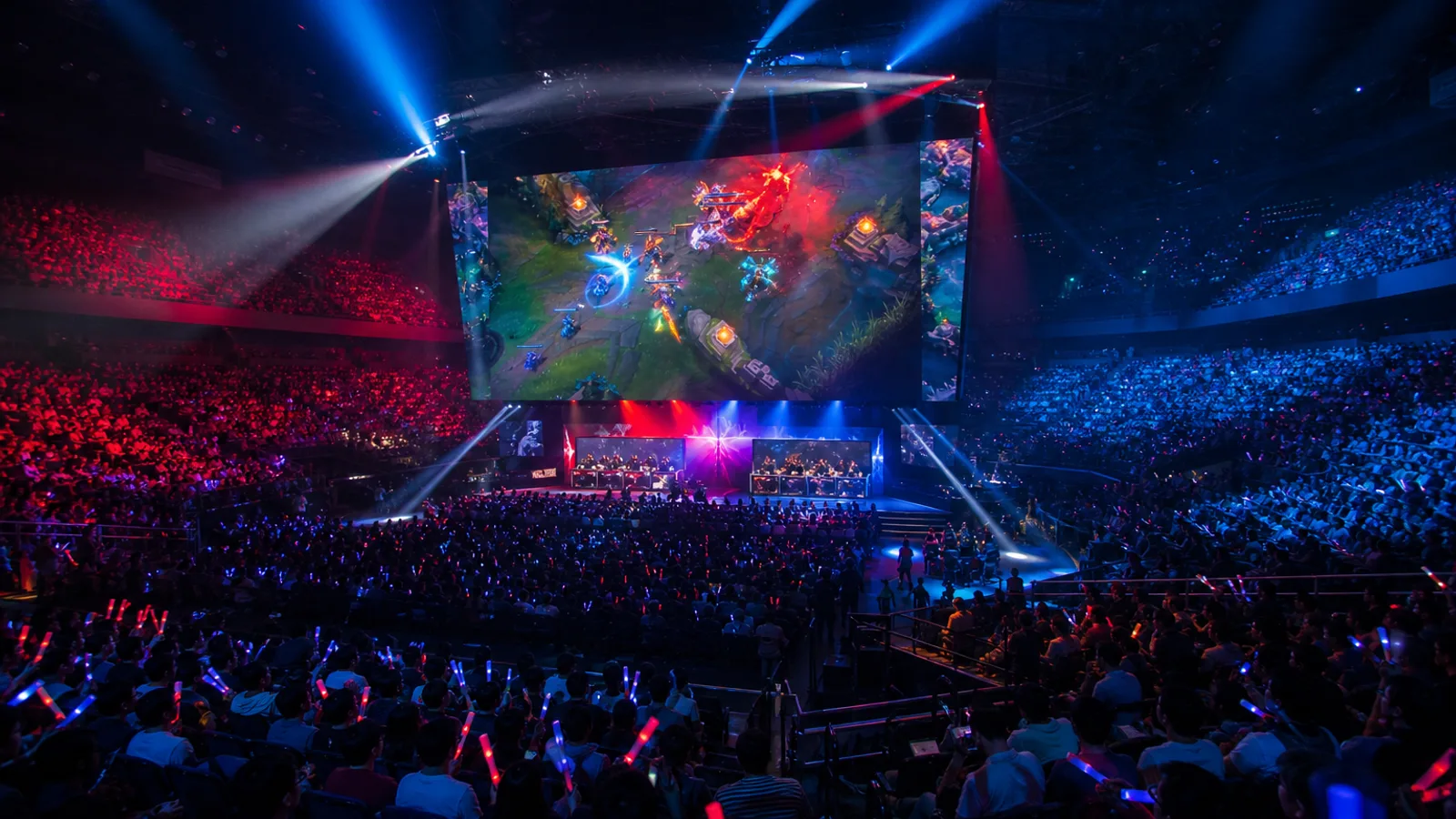
In 2022, Chinese self-developed games continued their strong overseas performance, with several titles holding top-grossing chart positions in major markets for months. Industry observers note a clear shift: successful global games no longer rely on user-acquisition spending but win players through content quality and cultural adaptation — going global has changed from a "traffic business" to a "content business".
In this upgrade, localization's status is being redefined. Leading publishers are building in-house localization teams or binding deeply with specialist providers: multilingual text adaptation starts early in development (avoiding "write Chinese first, translate hard later"), voiceover and art assets are customized per market, and cultural taboos and compliance requirements are reviewed up front. Localization has changed from the "last step" of development to a systems engineering effort spanning the entire product lifecycle.
For the translation industry, game localization best embodies "translation as re-creation": skill names must balance worldview and memorability, character dialogue must fit persona and context, and community copy must know local players' memes. The demands of such work long ago exceeded language conversion itself.
As Chinese games' global market share keeps growing, the talent gap in game localization will keep widening — a direction worth attention from translation education and professional training.
Let's talk about your language needs
Tell us about your project — we'll reply with a quote and delivery plan within one business day.