Industry Insights · February 11, 2022
Beijing 2022: A Multilingual Stress Test Inside the Closed Loop
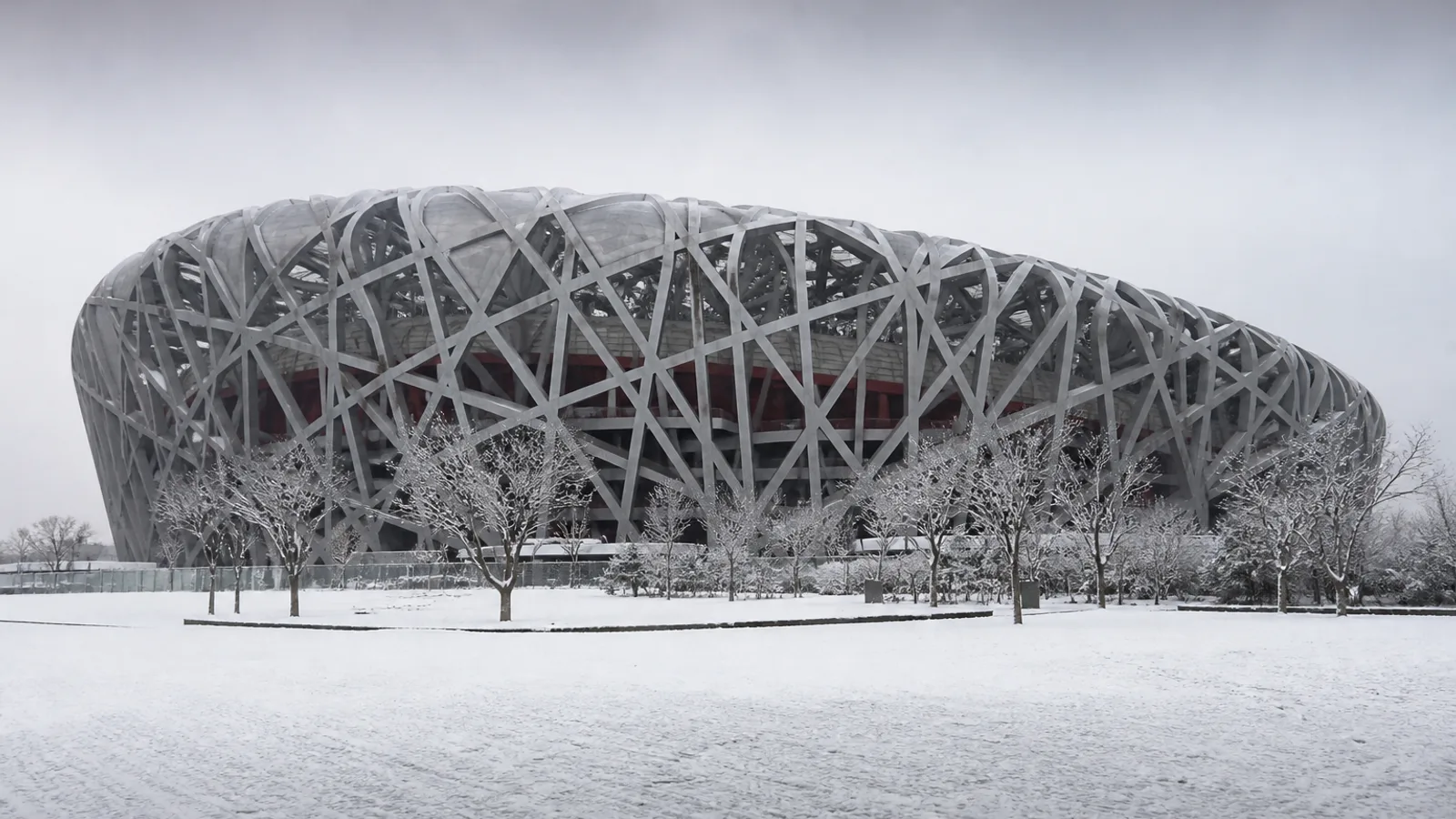
On February 4, 2022, the Beijing Winter Olympics opened. With the global pandemic not yet over, these Games ran under a strict closed-loop system — athletes, officials, media and staff lived and worked inside the bubble. This special operating system posed unprecedented organizational challenges for language services.
Language support inside the loop covered dozens of languages: simultaneous interpreting for daily press conferences, consecutive interpreting in mixed zones, working-language conversion for competition operations teams, instant communication in medical and epidemic-prevention scenarios, and written translation of prevention handbooks, signage systems and service guides. Interpreters and volunteers entered the loop themselves, serving the entire Games in isolation.
The Games also deployed technological assistance at scale: multilingual intelligent voice terminals served venue inquiries, and machine translation handled first-pass translation of browse-level content — professional linguists guarded high-risk, high-profile scenarios while technology supplemented long-tail, real-time needs. This layered "human-machine collaboration" model completed a full field exercise in an Olympic setting.
From Tokyo to Beijing, two pandemic Olympics have proven: the more extreme the conditions, the more they test the organizational capacity of language services. The on-site value of professional interpreters is irreplaceable.
Let's talk about your language needs
Tell us about your project — we'll reply with a quote and delivery plan within one business day.