Industry Insights · October 16, 2025
AI Dubbing Enters the Streaming Mainstream: A Cost Inflection for Multilingual Content Distribution
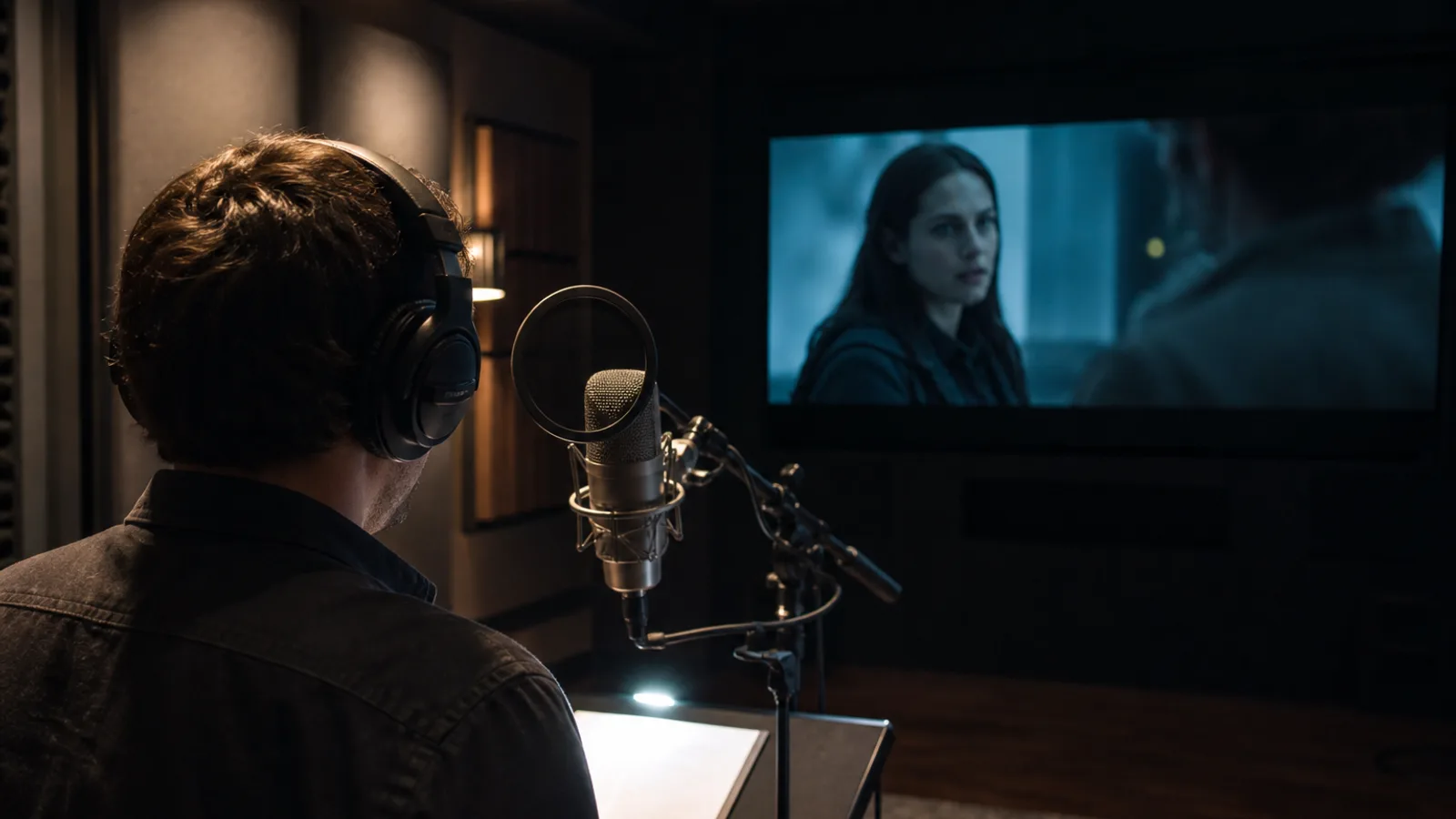
Autumn 2025 brought a wave of moves in multilingual video distribution: YouTube opened auto-dubbing to hundreds of thousands of creators, multiple streaming platforms expanded AI dubbing pilots, and AI dubbing solutions for corporate training and marketing video matured rapidly. The industry consensus is that the cost of multilingual video is dropping by an order of magnitude—from hundreds of dollars per finished minute for traditional dubbing to a tenth of that or less.
Technically, mainstream solutions have evolved from early "robotic synthetic voices" to "voice cloning plus prosody transfer": with the original speaker's consent, AI can preserve the timbre and emotional character of the original voice in the target language. For the first time, multilingual versions of personality-driven content—founder keynotes, expert courses, brand documentaries—are commercially viable.
But professional boundaries remain clear: lip-sync and performance quality for screen-grade dubbing, wording accuracy in legal and medical training content, and disclosure compliance for AI-generated content (the EU AI Act now explicitly requires labeling) all mean that "AI first pass plus human review" remains the standard configuration for professional delivery.
For enterprises with video content assets, our advice is to establish a tiered multilingual video strategy now: internal training and social clips can go AI-first; brand films and compliance training should use a hybrid flow of AI efficiency plus professional review.
Let's talk about your language needs
Tell us about your project — we'll reply with a quote and delivery plan within one business day.