Industry Insights · April 25, 2023
The EU AI Act Debate: Generative AI Enters the Regulatory Frame
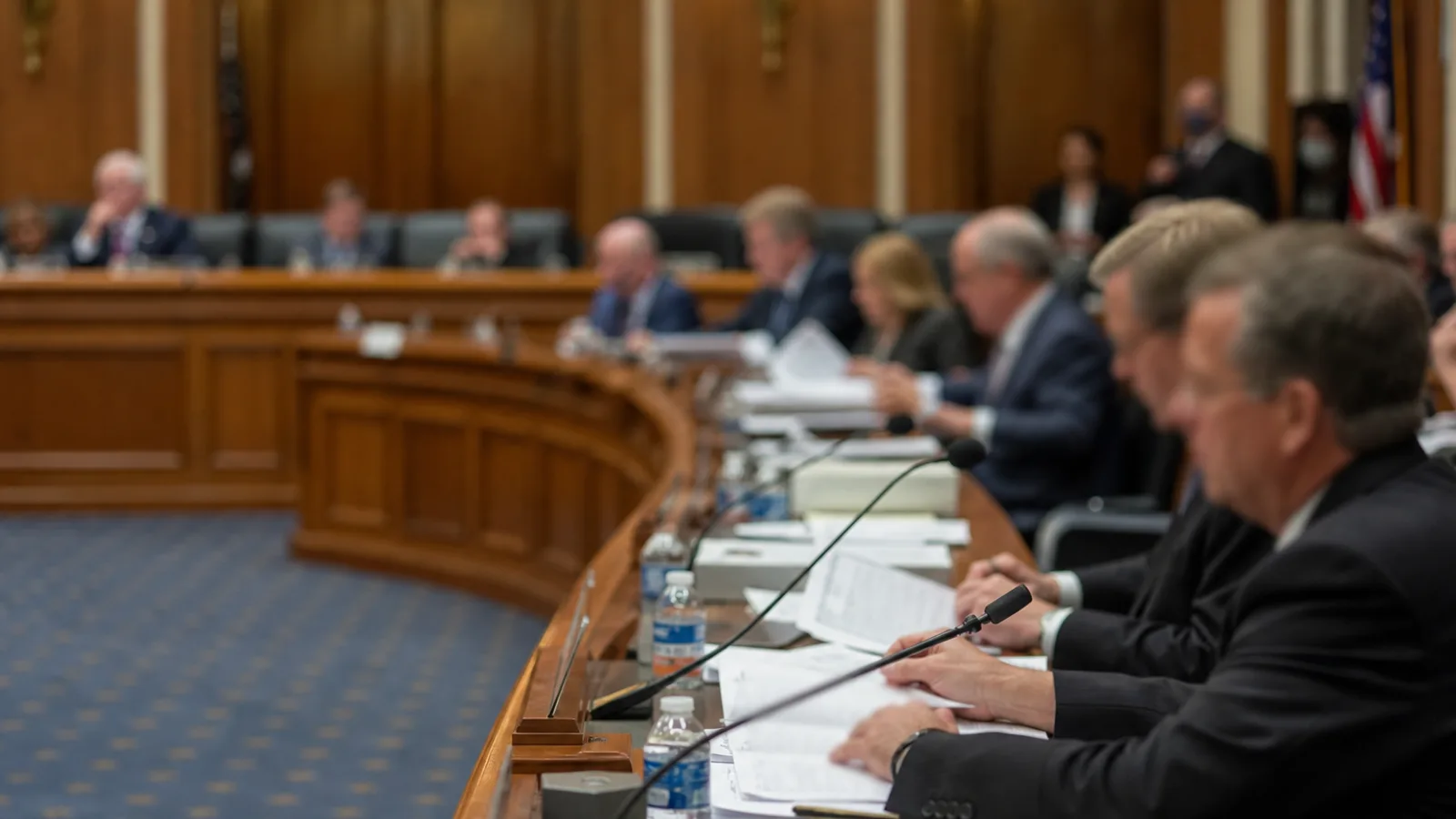
In spring 2023, the EU Artificial Intelligence Act entered a critical legislative stage. Among the amendments discussed in European Parliament committees, the most watched change: "general-purpose AI" and generative AI systems were brought into the regulatory frame for the first time — a direct response to the technological shift ChatGPT unleashed. When the original 2021 proposal was drafted, LLMs were not yet in public view; two years later, legislators had to rewrite the rules for them.
Requirements under discussion include: providers of foundation models must conduct risk assessments and disclosures; generative AI content must be identifiable as machine-generated; and copyright compliance of training data must be accounted for. Once enacted, these provisions will directly affect how MT and AI writing tools are offered in the EU market.
For the language services industry, the legislative debate sends a clear signal: "transparency obligations" for AI translation services will become compliance requirements — clients will have the right to know whether a translation was AI-generated and what human review it underwent. This happens to align with the industry's own professionalization: providers able to produce a complete "quality evidence chain" will hold a structural advantage in the compliance era.
From proposal to enforcement, the EU AI Act still has a long legislative road ahead. But the direction is set: the deeper AI goes, the finer the rules around it — and the language industry is no exception.
Let's talk about your language needs
Tell us about your project — we'll reply with a quote and delivery plan within one business day.